Choosing a keno ticket is less about chasing a miracle and more about deciding what kind of session you actually want. The 20-spot card sits in a practical middle ground: enough coverage to catch regular hits, not so many numbers that the payouts flatten out and the cost mounts quietly. Before you lock in your first ticket, work out whether you are playing for steady small wins or waiting for the occasional bigger hit, because that single choice shapes every other decision you make at the terminal.
What the 20-Spot Card Actually Gives You
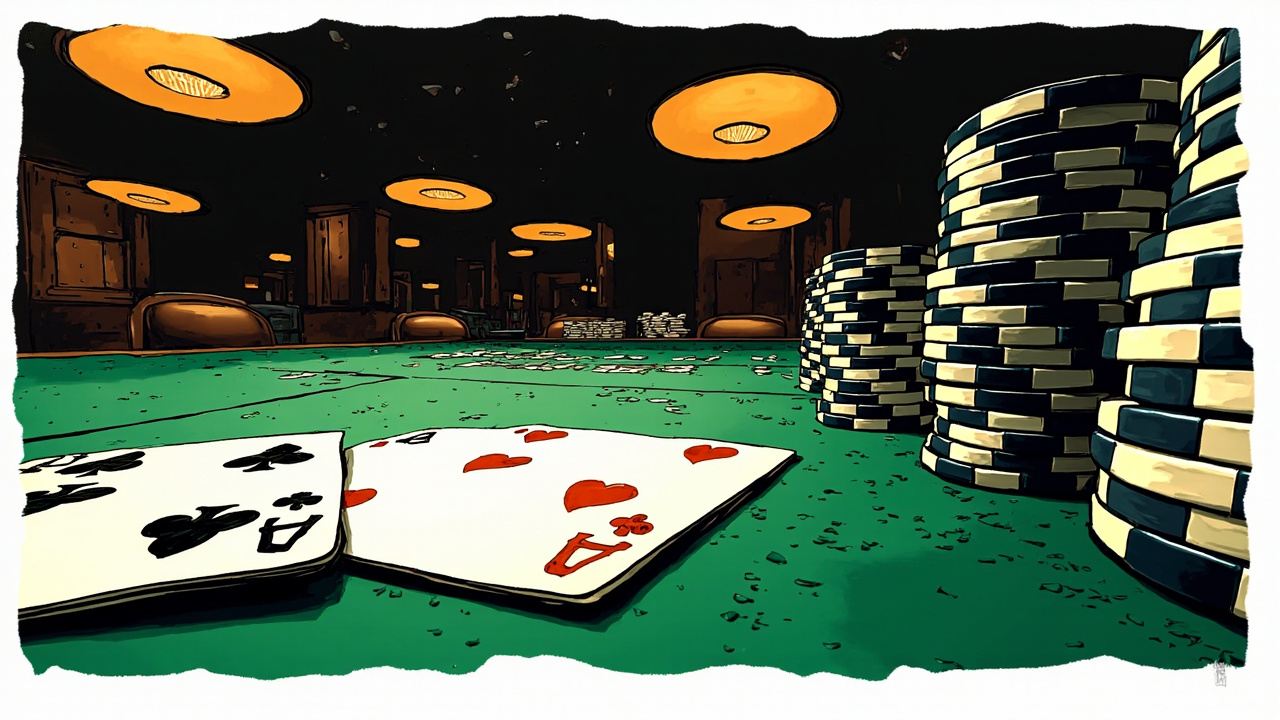
A 20-spot ticket asks you to mark half the board, which means the draw will usually land on several of your picks every round. That frequency changes how you should read the screen and how you should pace your spend. When you play fewer spots, you are hunting for a rare combination and accepting long dry stretches; with twenty, you are buying more regular feedback, which keeps the session engaging but also makes it easier to lose track of how quickly the coins add up. The card is not a shortcut to larger payouts, but it is a workable format for players who want something to happen more often than not and are comfortable managing a smaller return per hit.
In my work building lifecycle flows for membership and iGaming brands across APAC, I have seen the same pattern repeat: players who treat a mid-range ticket like a guaranteed ladder end up overrunning their session budget because the feedback loop feels rewarding until it is not. The 20-spot card rewards discipline more than optimism, so the sensible question is not whether the format is generous, but whether your own habits can sit comfortably with a ticket that pays often and pays modestly. run4win no deposit bonus
How to Read the Odds Without Getting Lost
Every keno draw runs on the same fixed probability, which means the operator cannot tilt the numbers against you on a whim, but the paytable still decides whether a ticket is worth your time. A 20-spot card typically pays on a range of catches, from a couple of matches up to a full house, and the jump between those tiers is where most players misjudge value. If you are marking twenty numbers, you should expect to catch somewhere in the middle of that range most sessions, so the real test is whether the middle-tier payouts justify the price of the ticket at your chosen bet level. Looking at the paytable before you press play is not glamorous, but it stops you from buying into a card that only rewards the unlikely catches you are unlikely to see.
Thomas Campbell, Senior Market Analyst, Flinders Interactive Group, has noted that players who check the paytable first and then decide their bet size tend to keep sessions shorter and more predictable, because they are matching their spend to what the card actually pays rather than to whatever number feels lucky in the moment. That is a small habit, but it is the difference between a ticket that fits your budget and one that quietly eats into it.
How to Size Your Bet and Pace the Session
The amount you put on each line should follow the session you want, not the other way around. If you are playing a 20-spot ticket as a regular pastime, a smaller line value keeps the cost per draw manageable and lets you stay in the game long enough to see how the card behaves for you. If you are chasing a bigger catch, raising the line value does not make that catch more likely, but it does raise the return when it happens, which is a different decision entirely and one that needs a clear ceiling before you start. The trick is to set your line value and your stop point together, so one does not drift while you are focused on the screen.

A practical way to run a session is to keep the steps simple and repeatable, so you are not making fresh decisions every draw:
- Decide the total amount you are willing to spend before you sit down, and treat that figure as the ceiling for the whole visit.
- Pick a line value that lets you play a reasonable number of draws within that ceiling without forcing you to top up halfway through.
- Mark your twenty spots once, or use a set pattern you understand, rather than changing the card every round on a hunch.
- Watch the catches against the paytable you already read, so you know whether the returns are matching the card you chose.
- Stop when you hit your time or spend limit, even if the last draw looked close, because the next ticket is a new decision, not a recovery plan.
That sequence keeps the card doing what it is meant to do – giving you regular feedback – without turning the session into a moving target. It also makes it easier to compare one visit to the next, which is useful if you are trying to learn what kind of play suits you rather than just filling time.
How to Judge a Venue or Online Offer Around Keno
When you are weighing where to play, the keno card itself is only part of the picture; the surrounding offer decides whether the session stays worthwhile after the first few draws. A venue or site that simply puts a 20-spot ticket in front of you and nothing else is selling the game, not the experience, and that is fine if you only want the game. If you want the session to keep bringing you back, look for the recurring stuff that actually matters: whether there are regular promotions that apply to keno play, whether cashback or loyalty points show up on your ticket spend, and whether there is a clear reason to come back on a Tuesday rather than only on a busy weekend. Those are the things that separate a one-off visit from a place you might actually return to.
Lucas Williams, Responsible Gambling Adviser, Southern Cross Gaming Advisory, has cautioned that players should treat any ongoing offer as a reason to set clearer limits, not as a reason to stretch a session beyond the budget they already set, because recurring promos can make a card feel more valuable than it is if you are not watching the total spend. That is a fair warning, and it applies just as much to a local lounge as it does to an online account.
If you are comparing an online option, it is worth checking whether the site treats keno as a proper part of the lobby or as a filler game buried at the back. A place that runs keno alongside regular promos, a usable loyalty tier, and support that answers without making you wait is doing the basics properly, which matters more than any flashy welcome claim. For players who want to test the feel of a site before they commit, a run4win no deposit bonus can give you a low-pressure way to see how the lobby, the ticketing flow, and the support actually behave, though it should be treated as a look-around, not as a reason to start playing beyond what you had already planned.

What this means for Australians is straightforward: you are not playing in a market where offshore casino play is licensed or regulated here, so the responsibility for checking how a site handles your details, your payments, and your limits sits with you, not with any local oversight that does not exist for that operator. For a Gold Coast player, that often means weighing the convenience of a local lounge – where you can see the board, talk to the staff, and walk away when you are done – against the convenience of an online account, where the same 20-spot ticket can be played from the couch but where you need to be more deliberate about setting your own stop points and checking what recurring offers really apply to keno rather than assuming they do. A Gold Coast arvo at the local venue has its own rhythm, and an online session has its own, but neither one becomes easier to manage just because the screen looks friendly.
Callum Roberts, Chief Financial Officer, Australian Gaming Futures, has pointed out that players should pay attention to the payment and currency details on any account they open, because a card that seems cheap in one denomination can feel very different once withdrawal times, conversion steps, or per-transaction limits are added on, and those frictions are what often decide whether an account stays useful after the first visit. That is a dry point, but it is the one that separates a site you use once from one you keep on your phone.
Making the 20-Spot Card Fit Your Own Style
The card itself is flexible enough to suit a few different approaches, which is part of why it keeps showing up in lounges and online lobbies alike. Some players mark twenty spots and let the catches come where they may, treating the ticket as a steady background activity rather than a focused hunt. Others build a pattern they understand – maybe spreading across the board, maybe concentrating in a section they have watched for a while – and then stick with that pattern long enough to see whether it suits them. Neither approach changes the underlying draw, but both change how the session feels, and that is worth getting right because a 20-spot ticket that fights your own habits is just an expensive way to sit still.
If you are the kind of player who likes a session with regular feedback and a clear end point, the 20-spot card can fit that well, provided you read the paytable, set your line value and your ceiling together, and do not let a run of small catches persuade you to raise the stakes on the fly. If you are the kind of player who wants a quieter ticket with fewer decisions, you might prefer a smaller card and a different pace altogether, and there is no reason to force the twenty-spot format just because it is the one on top of the pile. The useful judgement call is yours before you press play, not after the first draw has already started.
A good session with a 20-spot ticket is one where you knew what you were after, you matched the ticket and the spend to that aim, and you walked away when you meant to, with the card having done what it was always going to do: give you regular catches, modest returns, and a clear reason to either come back or not. That is not a dramatic outcome, but it is the one that keeps keno playable over time, and for most players that is the point worth protecting.